
Bamboo Tree Care: The Complete Expert Guide to Healthy Growth
Bamboo tree care comes down to a few habits: plant outdoor bamboo in full sun to part shade, water it deeply while it establishes, feed it nitrogen in spring and summer, and contain running types with a rhizome barrier you check every year. Lucky bamboo, the houseplant, needs clean filtered water and bright, indirect light instead.
Those are not the same job. Lucky bamboo in a vase is a houseplant. True bamboo in the ground is a fast-growing woody grass that can become a serious landscape problem if it is the running type. This guide covers both, but the main concern for Memphis homeowners is outdoor bamboo: how to identify it, care for it, contain it, and know when removal is the smarter move.
- Bamboo is technically a grass, not a tree, so bamboo tree care is different from oak, maple, or crepe myrtle care.
- Lucky bamboo is not true bamboo. It is a Dracaena houseplant with its own water and light needs.
- Clumping bamboo usually stays tighter and is easier to manage.
- Running bamboo spreads underground through rhizomes and can show up several feet away from the original planting.
- For running bamboo in a residential yard, containment is not optional. A barrier and a yearly walk of the barrier line are the whole game.
- Some yellowing and leaf drop in spring is normal. Bamboo is evergreen and swaps old leaves for new ones.
- Once bamboo spreads into a lawn, fence line, foundation area, or neighbor’s yard, professional removal is often the cleaner and safer option.
What Bamboo Tree Care Really Means
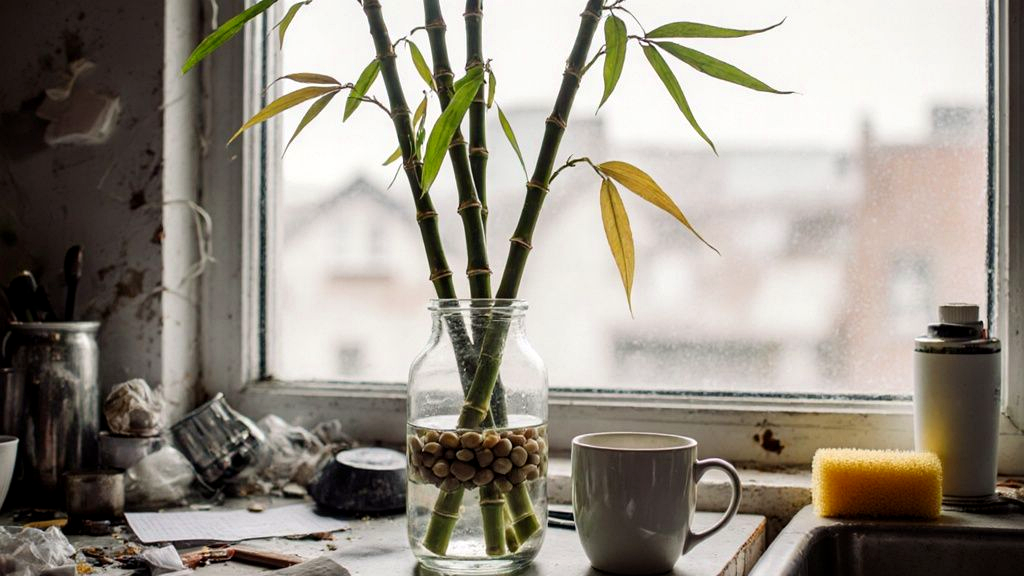
Here is the first thing to get straight: bamboo is not a tree. It is a giant woody grass.
That single fact explains why bamboo tree care feels different from regular tree care. Bamboo does not add rings and girth year after year like an oak or maple. Each stalk, called a culm, shoots up close to its full height in one growing season. After that, it mostly produces leaves and feeds the underground root and rhizome system.
When homeowners ask us about bamboo, they usually mean one of two plants. The first is lucky bamboo, the slim green stalks sold in water-filled vases at grocery stores and garden centers. Despite the name, lucky bamboo is not bamboo at all. It is a Dracaena houseplant. The second is true outdoor bamboo. That is the tall, woody, privacy-screen type that grows in the ground.
Outdoor bamboo falls into two broad groups:
- Clumping bamboo grows in a tighter, slower-expanding circle. It is usually easier to manage, though not every clumping variety is ideal for every Memphis yard.
- Running bamboo sends underground stems called rhizomes outward from the main planting. This is the type that earns bamboo its bad reputation.
Knowing which plant you have is step one. A tidy clump near a patio is one thing. A running stand creeping toward a fence, driveway, or foundation is another problem entirely.
If the bamboo is already too dense, too close to a structure, or spreading into areas where it does not belong, it may overlap with professional tree removal services or landscape cleanup work rather than simple plant maintenance.
Bamboo Tree Care Basics: Water, Light, and Soil
Good bamboo tree care starts with the basics: water, light, soil, and knowing whether you are dealing with a houseplant or an outdoor grove.
Get those details right, and bamboo can look clean, green, and controlled. Get them wrong, and you will usually see yellow leaves, brown tips, weak growth, or new shoots popping up where you never wanted them.
Lucky bamboo (the houseplant)
This is the plant behind most of the “help, how do I take care of my bamboo” questions online. Keep the stalks in about an inch or two of water, enough to cover the roots, and top it off so it never runs dry. Tap water in many areas has enough chlorine and fluoride to brown the leaf tips, so use filtered or distilled water, or let tap water sit out overnight before pouring it in. Change the water completely every one to two weeks to stop algae and odor. Give it bright, indirect light: a spot near a window but out of harsh afternoon sun is perfect. A single drop of liquid houseplant fertilizer once a month is all the feeding it needs.
True bamboo (in the ground)
Outdoor bamboo is thirstier and hungrier. Water deeply and regularly during its first two years while the roots establish, then it becomes fairly drought-tolerant. Most varieties want full sun to partial shade and well-draining soil with plenty of organic matter worked in. A two to three inch layer of mulch over the root zone holds moisture and feeds the soil as it breaks down. Because bamboo is a grass, it responds strongly to nitrogen, so a high-nitrogen lawn-type fertilizer in spring and again in midsummer keeps the culms green and vigorous. If a few culms get top-heavy or scruffy, light thinning helps, and the same pruning discipline we bring to professional tree trimming services applies here: cut cleanly at a node, never leave ragged stubs.
Planting a new bamboo screen
Spring and early fall are the easiest times to plant around Memphis, because the plant gets a stretch of mild weather to root in before summer heat or a winter cold snap. Dig the hole wider than the root mass but no deeper, work compost into the soil you backfill with, and set the top of the root ball level with the surrounding grade. Water it in thoroughly. After that, push a finger a few inches into the soil before each watering: new bamboo wants evenly moist soil, not a soggy hole.
Decide where the barrier goes before the first shovel goes in. Adding a barrier later means cutting through rhizomes that are already running. Tall, slender plants can rock in the wind before their roots grip, so tie them to short stakes on a couple of sides until they are anchored. If you would rather have the screen put in for you, our landscaping services include plant installation, and we handle bamboo containment as well.
Pruning and thinning
An established grove looks better and stays healthier with a yearly thinning once the spring shoots have hardened. Cut dead, damaged, spindly, and the oldest dull culms at ground level so light and air reach the newer canes. If a culm is too tall, cut it just above a node. It will never grow taller again, and it will push out more leafy branches below the cut, which suits a hedge-style screen. Wipe your blades with rubbing alcohol before you start. Leave the fallen bamboo leaves under the grove rather than raking them up: they hold moisture and break down into the soil the plant feeds from.
| Type | Where it grows | Spread risk | Best for |
|---|---|---|---|
| Lucky bamboo | Indoors, in water or soil | None | Desks, counters, low-light rooms |
| Clumping bamboo | Outdoors, tight clusters | Low | Privacy screens you can control |
| Running bamboo | Outdoors, spreads via rhizomes | High | Large lots with a root barrier installed |
Not sure which type you have? A quick look at how it spreads usually tells the story. We can identify it on a free estimate.
Bamboo getting out of hand?
Free, no-obligation estimates across Memphis and North MS.
The Spread Problem Nobody Warns You About
This is the part of bamboo tree care that turns into a real property problem. Running bamboo does not stay where you planted it, because its rhizomes move underground and send up new shoots in lawns, flower beds, fence lines, driveways, and foundation areas. The Tennessee Department of Agriculture has warned that invasive bamboo generates more complaints than any other plant in the state, largely because aggressive runners can damage hardscapes and spread into neighboring properties.
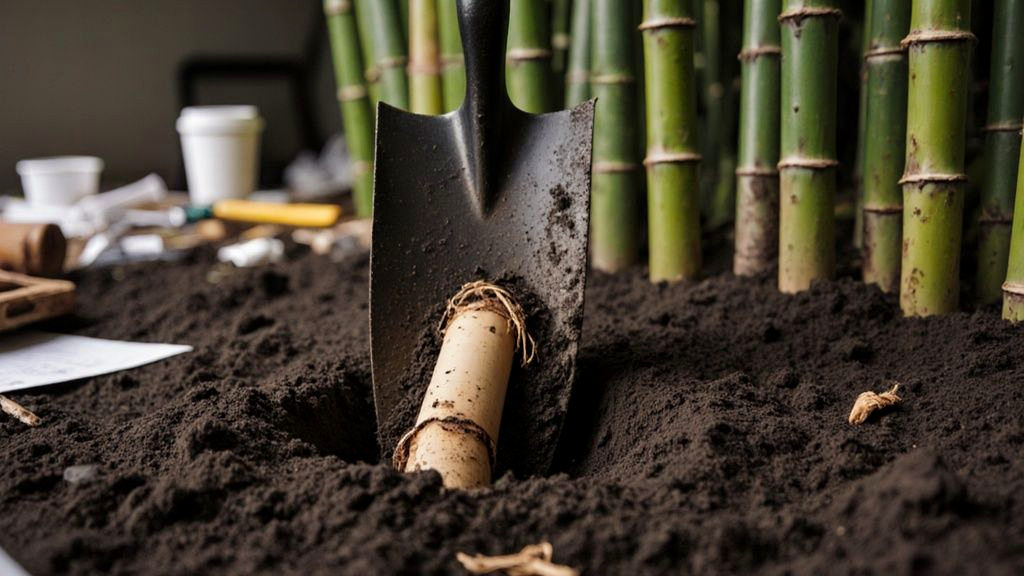
That matches what we see on real jobs: the worst bamboo problems are usually underground before they are obvious above ground. A homeowner may think they have a neat privacy screen, then a neighbor calls because shoots are coming up on the other side of the fence. By that point, the job is no longer simple bamboo tree care; it is containment or removal.
For running bamboo in a residential yard, a proper rhizome barrier should be installed before planting, usually using heavy-duty HDPE plastic, metal, or a comparable material. Many recommendations fall between 18 and 30 inches deep depending on the material, site conditions, and bamboo type, but barriers only redirect rhizomes instead of killing them. In Memphis and North Mississippi, regular inspection matters because the long warm season gives aggressive bamboo more time to spread, and once it escapes, the rhizome network often has to be physically dug out.
How to contain running bamboo
- Install the barrier carefully. Leave a couple of inches of the top edge above grade so a rhizome trying to climb over is easy to spot, and overlap and seal any seams. Pack the backfill firmly against the barrier with no loose soil or air pockets, which can steer rhizomes downward and under it. Keep compost and amendments near the surface so rhizomes stay shallow.
- Root prune where a barrier is not practical. For a small stand, drive a sharp spade straight down around the edge once a year, or keep a shallow open trench around it, and cut any rhizome that crosses the line.
- Knock down stray shoots. New shoots coming up outside the line in spring are soft and snap off easily at the ground, and regular mowing does the same in a lawn. That stops the shoot but not the rhizome feeding it, so trace it back and cut it too.
- Check at the right time of year. Running bamboo sends up shoots in spring but pushes most of its rhizome growth in summer and fall, so walk the barrier line in late summer and fall as well as during shooting season.
- Use containers in tight spaces. A large planter on a patio keeps running bamboo fully in bounds. Plan to divide or repot it every few years, because a root-bound plant can crack its pot or escape through the drainage holes.
Serving Memphis & North Mississippi
We handle bamboo containment and removal throughout the Memphis metro and across North Mississippi, including Olive Branch, Southaven, Hernando, and Horn Lake. Free estimates, fully licensed and insured.
Common Bamboo Tree Care Problems and Fixes
Most of the trouble homeowners run into falls into a few familiar buckets. Here is how to read the symptoms and what to do about each one.
Yellow leaves or yellow stalks
On lucky bamboo this usually means chlorinated tap water or too much direct sun. Switch to filtered water and move it back from the window. On outdoor bamboo, some yellowing and leaf drop in spring is normal: the plant is evergreen and replaces old leaves as new ones unfurl. Widespread yellowing in summer points to overwatering, poor drainage, or a nitrogen shortage.
Brown, crispy leaf tips
Almost always a watering or humidity issue indoors, or wind and heat stress outdoors. Trim the brown tips with clean scissors, following the natural shape of the leaf, and correct the underlying cause rather than chasing the symptom.
It will not grow
Bamboo is a heavy feeder. Slow or stalled growth on an established plant usually means it is hungry. Feed it a high-nitrogen fertilizer in spring and keep the root zone mulched and watered. On a new planting, be patient: first-year bamboo puts most of its growth underground before it sends up bigger shoots.
It is spreading too fast
You likely have a running variety with no barrier. This is the one problem you cannot easily fix yourself once it is established, and the longer it runs, the bigger the eventual removal job becomes.
When to Call a Professional
A vase of lucky bamboo and a tidy clumping screen are genuinely DIY. The line gets crossed when running bamboo has built an underground network, when culms are crowding a structure or fence line, or when you simply want a large, dense stand thinned or taken out cleanly. Digging out an entrenched rhizome system by hand is brutal, slow work, and missing even a few inches of rhizome lets the whole thing regrow. That is where the equipment and experience behind our comprehensive tree care services save you a season of frustration. Pyramid Tree Service has worked Memphis properties for more than 20 years, with certified arborists on staff, and we are fully licensed and insured. Removal jobs include full cleanup, so you are not left with a yard full of cut culms.
Whether you are trying to keep a privacy screen healthy or get an invasion under control, the goal of good bamboo tree care is the same: a plant that does what you want it to do and stays where you put it. If yours has stopped cooperating, get in touch and we are happy to take a look.
Frequently Asked Questions
Is bamboo actually a tree?
No. Bamboo is a member of the grass family, even though mature culms are tall and woody. People search for “bamboo tree care” because it grows like a tree, but it behaves more like a very large, very fast grass, which is why feeding and containment look different from real tree care.
How often should I water lucky bamboo?
Keep the roots covered with an inch or two of water at all times, and replace the water entirely every one to two weeks. Use filtered or distilled water if your tap water tends to brown the leaf tips.
How do I stop bamboo from spreading into my yard?
Install a rhizome barrier around the planting, typically in the 18 to 30 inch depth range covered above, and walk the barrier line every year, especially in late summer and fall, cutting off any rhizomes trying to escape. If it has already spread, the rhizomes need to be physically dug out, which is usually a job for a crew with the right equipment.
Can you remove an established bamboo stand?
Yes. We cut down the culms, excavate the rhizome mass, and clean up the site so it does not regrow. Because bamboo regrows from any rhizome left behind, thorough removal matters more than it does with a single tree. We will give you an exact price at a free estimate.
Is bamboo a good privacy screen in Memphis?
It can be excellent, fast, dense, and evergreen, as long as you choose a clumping variety or contain a running one properly from day one. Our warm, long growing season suits it well, which is exactly why an uncontained running type can get away from you here.
Do coffee grounds help bamboo?
A little, for outdoor bamboo. Used grounds mixed into compost or a thin mulch layer add organic matter, but they are not a replacement for a nitrogen fertilizer, and a thick layer can crust over and shed water. Keep coffee out of lucky bamboo water entirely, because it fouls the water and invites mold.
What should you not do with a bamboo plant?
Do not plant running bamboo near a property line, fence, or foundation without a barrier. Do not top culms expecting them to grow back taller, do not rake away the leaf litter under an outdoor grove, and do not let new plantings sit in soggy soil. For lucky bamboo, avoid chlorinated tap water, direct afternoon sun, and water left unchanged for weeks.
Does bamboo grow back after dying?
Often, if the rhizomes are still alive. Outdoor bamboo that browns out after a hard freeze or drought usually sends up new shoots from the underground system in spring, so cut the dead culms at the ground and wait for shooting season before giving up on it. A single culm that dies will not regrow. Lucky bamboo stalks that turn fully yellow will not recover, but healthy green sections can be cut and rooted in fresh water.
Should I cut the brown tips off my bamboo plant?
Yes. Trim the brown part with clean, sharp scissors, following the natural shape of the leaf so the cut blends in. Trimming only improves the look, though, so fix the cause as well: usually tap water chemicals or dry air indoors, and wind, heat, or dry soil outdoors.
Bamboo under control, or out of control?
From keeping a healthy screen tidy to digging out a runaway stand, our Memphis crew handles bamboo the right way. Get a free, no-pressure estimate today.