
Tree Removal Fee Breakdown: Hidden Costs and Smart Budget Tips Every Homeowner Needs
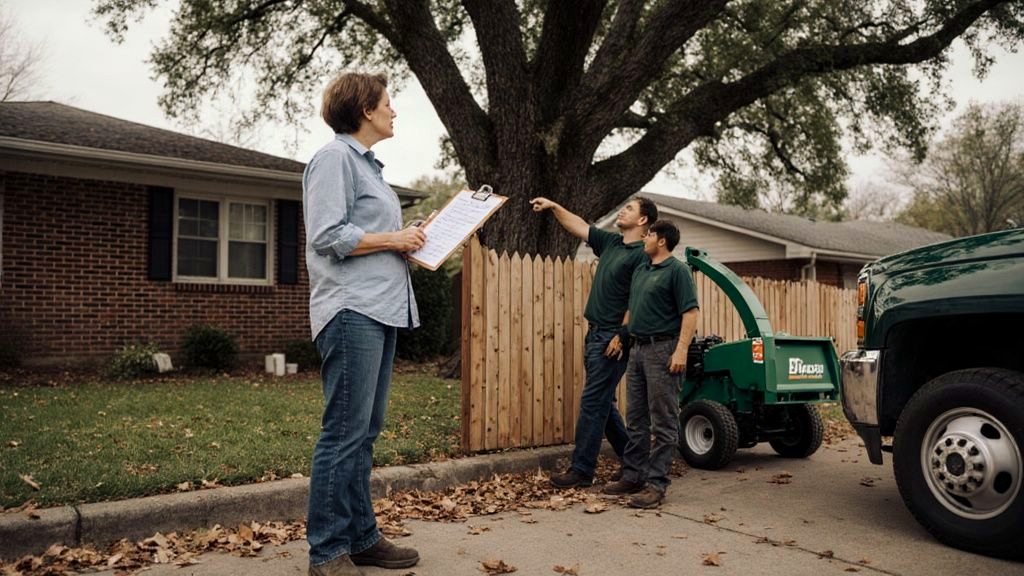
When you ask three local crews what a tree removal fee should look like, the spread can feel almost insulting. Four hundred dollars from one outfit, fourteen hundred from another, and a third refusing to quote without a site visit at all. After two decades doing this work across Memphis and North Mississippi, we can tell you the wide range is not random. Every dollar on a real estimate maps to something visible in your yard, plus a handful of line items most homeowners never think to ask about until the bill lands. This guide breaks the numbers down piece by piece so you know exactly what you are paying for, where the hidden costs hide, and how to budget without nasty surprises.
- Tree size and crown volume drive the base price, but they are usually not the biggest variable in the final bill.
- Access, structural proximity, and disposal scope are where homeowners most often get surprised.
- Stump grinding, permit fees, and after-hours premiums are almost always priced separately from the base removal.
- Budget for 10 to 20 percent above the headline number so add-ons do not blow up your plan.
- The right written estimate spells out every line item before any saw fires up.
What Actually Goes Into a Tree Removal Fee
A real estimate is a labor-and-equipment problem, not a tree-size problem. When a foreman walks your yard, the price builds up out of five buckets: crew hours, equipment, insurance overhead, disposal, and risk. Understanding each one is the difference between feeling cheated by a quote and feeling confident signing it.
Crew Hours and Climber Skill
Most residential jobs run a three to four-person crew: one or two climbers in the tree, a ground hand on the rigging, and one operator on the chipper. Certified climbers cost more per hour than entry-level groundwork, and the harder the rigging gets, the more skilled climbing time you are paying for.
Equipment on the Job
Bucket trucks, chippers, stump grinders, and crane rentals each carry their own day rate. A simple front-yard removal might only need a chipper and a saw. A 70-foot oak hanging over a roof typically needs a crane day or heavy-spec rigging, which can add a thousand dollars or more before anybody climbs.
Insurance and Licensing Overhead
This is the silent driver behind the gap between legitimate crews and the cheapest truck on Craigslist. Liability and workers compensation policies for a tree crew run into the tens of thousands per year, and that overhead has to land somewhere. It is also the only thing standing between you and a six-figure bill if a limb crushes a neighbor’s car.
Disposal and Cleanup
A mature hardwood produces several truckloads of brush and one or two of logs. Hauling that material to a yard waste facility, paying tip fees, and burning fuel on a loaded truck is a real expense. Crews that leave the wood on site for firewood quote a lower number because they are skipping that step.
Risk and Hazard Premium
The closer a tree is to your house, power lines, fence, or pool, the slower and more careful the work has to be. A tree in an open pasture might come down in one cut. The same tree five feet from your gable end comes down in fifteen sections, each rigged and lowered by rope. That difference can double the bill.
Typical Tree Removal Fee Ranges by Size in 2026
Pricing varies by region, but the relative steps between size tiers are remarkably consistent. The numbers below reflect a realistic 2026 Memphis and North Mississippi market. Use them as a sanity check on any quote you receive, not as a hard guarantee.
| Tree height | Common species | Base removal range | Add stump grind |
|---|---|---|---|
| Under 25 ft (small) | Bradford pear, dogwood, young magnolia | $250 to $500 | +$75 to $150 |
| 25 to 50 ft (medium) | Crepe myrtle, redbud, young oak | $500 to $1,000 | +$100 to $200 |
| 50 to 75 ft (large) | Mature maple, sweetgum, pecan | $1,000 to $1,800 | +$150 to $300 |
| 75 ft or more (very large) | Mature oak, pine, sycamore | $1,800 to $3,500 or more | +$200 to $400 |
| Hazardous or over structures | Any size near house, lines, or pool | Custom quote | Quoted with job |
Final pricing depends on access, hazards, and cleanup scope. We break every line out in writing, so you see what you are paying for.
Hidden Costs Most Homeowners Miss
Surprise charges almost never come from the base removal price. They come from the small line items a homeowner did not realize were optional or unbundled. Walk through this list with any crew before you sign anything.
- Stump grinding. Roughly nine times out of ten, this is priced separately. If you do not ask, you end up with a stump and a question of who owns the next call.
- Surface roots and feeder roots. Standard grinding only goes four to six inches below grade. Chasing surface roots across a lawn or down to a depth that supports replanting is a separate line.
- Hauling versus on-site chipping. Chipping brush on the spot is included in most quotes. Hauling the logs and chip pile off the property is often an extra charge, especially on hardwood-heavy jobs.
- Lawn and landscape protection. If a crew has to lay plywood mats across your turf to drive equipment in without crushing it, those mats and the labor to position them are real costs that get itemized.
- Permits and HOA paperwork. Most Memphis residential properties do not need a city permit, but heritage trees, riverside lots, and certain neighborhoods do. HOAs sometimes require their own approval form. Confirm who handles and pays for both.
- Travel and minimum job fees. Crews carry minimums to cover truck and crew time on small jobs, often in the $200 to $350 range. This is normal industry practice, but it surprises homeowners who assumed a small tree meant a small bill.
- After-hours and weekend premiums. Scheduling a removal for a Saturday or before a Monday morning event usually adds 10 to 20 percent on top of the weekday rate.
A crew that itemizes every one of these in writing is showing you how the math works. A crew that hands you a single round number with no breakdown is leaving themselves room to add charges after the fact. The first kind costs the same in the end and saves you the argument.
When Emergencies Multiply Your Tree Removal Fee
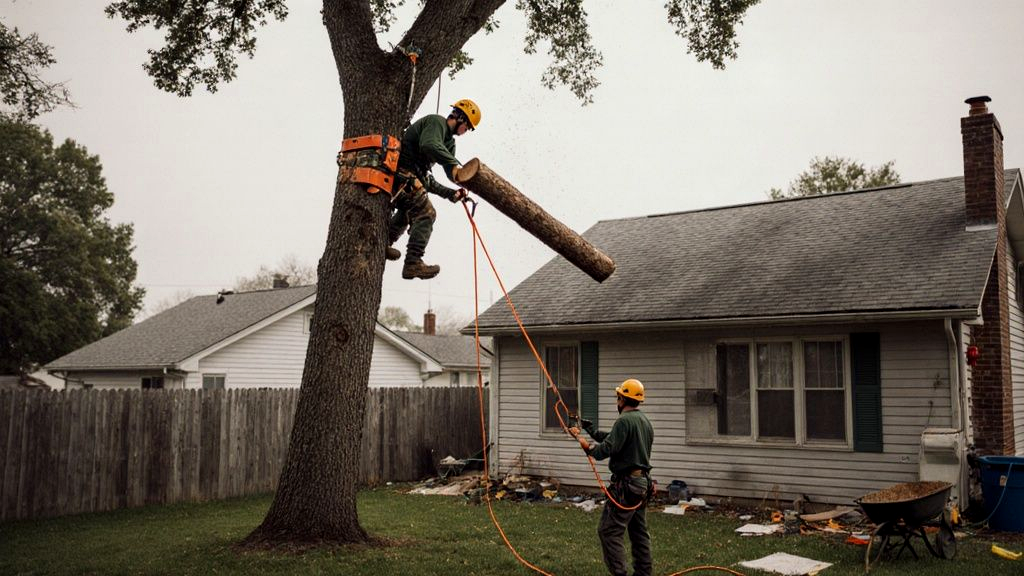
Storm season in the Mid-South sends pricing in one direction, and it is not down. A tree resting on a house at two in the morning is not the same job as a planned Thursday removal. Two-person crews become four. Daytime rates pick up after-hours premiums. Sometimes a bucket truck gets pulled off another scheduled job to handle the call, which costs the company hours of rescheduling work. All of that is real cost, and it lands in the final number.
If a tree is already on the structure, the priority is to stop the damage from spreading. We run emergency tree removal services across Memphis and North Mississippi with crews and rigging gear staged for after-hours response. A typical emergency call runs 20 to 40 percent above the planned-job rate for the same tree, with the exact premium depending on the time of day, the rigging plan, and how much of the property is already affected. Insurance often covers a meaningful share when a covered structure is damaged, but the response itself still has to happen on the crew’s clock.
How to Read a Quote and Compare Estimates
The fastest way to feel confident about what you are paying is to compare two or three written estimates from established local crews. Not phone guesses, not text-message numbers. Real estimates with the scope spelled out. As you compare, look at the following:
- Current insurance certificates. Liability and workers compensation, both in writing. Without these, any injury or property damage on the job site can land in your lap.
- Itemized scope. Removal, cleanup, stump, hauling, and access should each have their own line. Vague all-in numbers are how disputes start.
- Time and crew estimate. A serious crew tells you how many climbers and ground hands they plan to send and roughly how long the job will take.
- Local reviews and references. Recent Google reviews from your zip code beat a slick out-of-town flyer every time.
- Equipment match. If a tree clearly needs a crane and the quoting crew does not own one, the price either does not reflect reality or the job will be subcontracted.
For deeper background on what professional standards look like, the International Society of Arboriculture publishes accessible industry guidance and a public arborist directory at TreesAreGood.org. Any reputable crew should be able to point to certifications, written safety procedures, and current insurance without hesitation. If you want a baseline reading on your own property, the simplest move is to book a free in-person estimate with a professional tree removal company and put the written number next to anyone else’s. A crew that can defend every line on the page is the crew you want under your tree.
Want a real tree removal fee on your tree this week?
Free, no-obligation written estimates across Memphis and North Mississippi.
Smart Ways to Budget Before You Book
A few habits help you avoid sticker shock on the day of the job.
- Bundle adjacent trees. Most of the cost on any job is mobilizing the crew, truck, and chipper. Adding a second or third tree to the same visit usually drops the per-tree price by 15 to 30 percent.
- Book outside storm season. Late winter and early spring are slower than the months right after major storm activity. Off-peak scheduling often saves 5 to 10 percent.
- Decide on the stump up front. Adding grinding after the crew leaves means a separate trip and a higher per-stump charge.
- Keep the wood if you can use it. Letting the crew leave logs on site saves hauling costs, as long as you have a real plan for the wood.
- Lock the estimate in writing. Most reputable crews honor a quote for 30 to 60 days, so you can schedule the work without market shifts moving your price.
Frequently Asked Questions
Why does the tree removal fee vary so much between crews?
The biggest spread is insurance, equipment, and crew experience. A licensed and insured outfit carries real overhead that an uninsured operator does not, and that gap is what shows up in the number. The middle quote from a legitimate, well-reviewed local crew is almost always the right one to trust.
Does homeowners insurance ever cover the bill?
If a tree falls on a covered structure such as a house, garage, or fence, most policies will cover removal as part of the claim, including hauling. If a tree falls without hitting anything insured, removal is usually paid out of pocket. Document conditions with photos and keep every itemized invoice for the adjuster.
Are deposits normal for tree removal?
Small deposits are common on larger jobs, typically 10 to 25 percent at scheduling, with the balance due at completion. Be cautious of any crew asking for a large up-front payment in cash, especially after a storm. That is one of the most reliable warning signs of a fly-by-night operator.
Should I always pay extra to grind the stump?
Only if you want to use that spot for something else: lawn, flower bed, patio, replanting. If the stump sits in an out-of-the-way corner and does not bother you, leaving it is fine and keeps a couple hundred dollars in your pocket. We give you both options at the estimate so the choice is yours.
How long is a written estimate good for?
Most of our written estimates are valid for 30 to 60 days. After that, fuel, disposal fees, and crew rates can move with the market. If a removal is on your radar, getting the number in writing now and scheduling within the next month is the safest way to lock in the price you were quoted.
Do you charge for the estimate itself?
No. Estimates are free and in-person. We walk the property with you, look at access, hazards, and cleanup scope, and leave you with a written number you can compare against any other quote. No pressure to book on the spot.
Get a written tree removal fee on your tree.
Twenty minutes on site, no pressure, real numbers. The fastest way to stop guessing about what a removal should actually cost is to have a licensed crew walk the property and put it in writing.