
Rates for Tree Removal: The Complete Expert Guide to Smart Cost Decisions
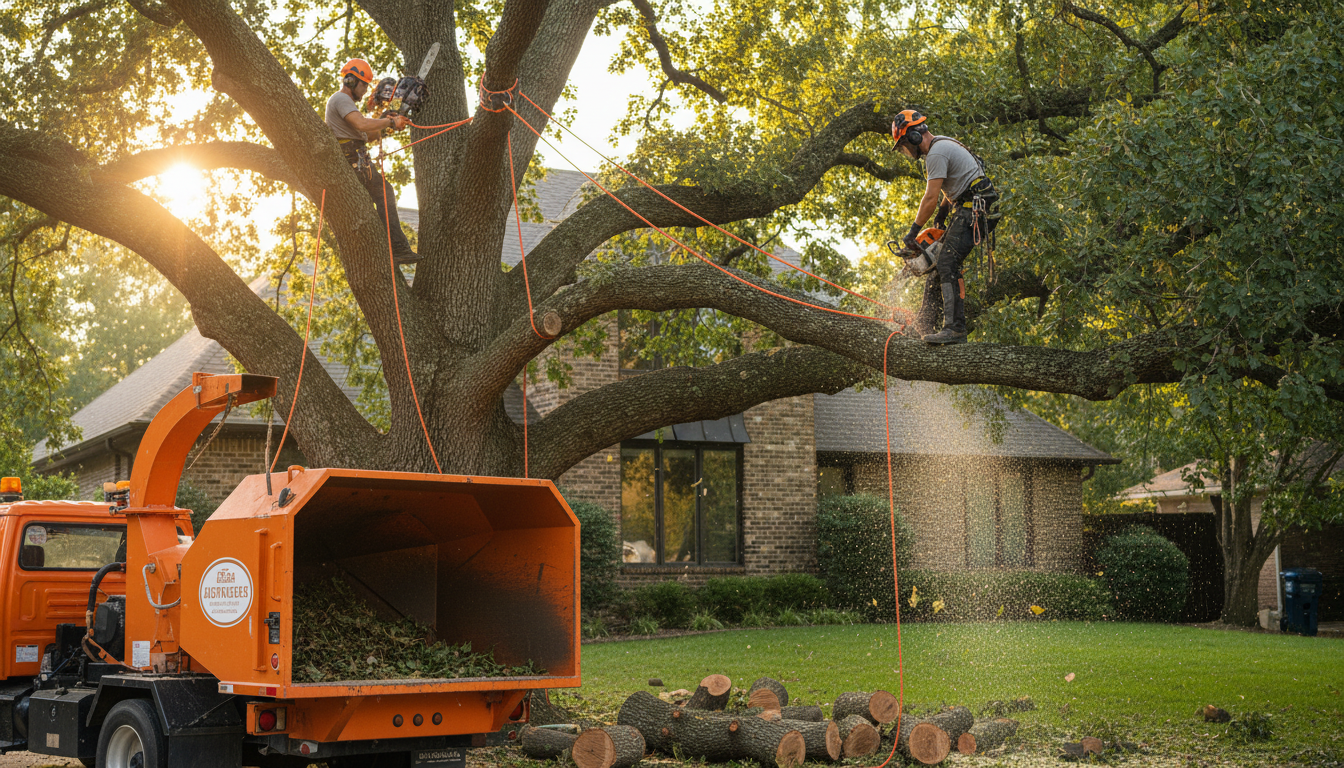
Most homeowners only ever shop rates for tree removal once or twice in a lifetime, which is exactly why the numbers feel so confusing the first time you start calling around. One crew quotes 400 dollars for a tree your neighbor paid 1,800 to take down. A third outfit refuses to give a price at all without seeing the property. After two decades doing this work across Memphis and North Mississippi, we can tell you the spread is not random. Every line item on a real estimate maps to something visible in your yard: size, access, hazard, and cleanup. This guide walks you through each of those factors so the next quote you read makes sense the second you open it.
- Tree size is the biggest single driver of cost, but it is rarely the only one that matters.
- Access for trucks and proximity to structures can double a price even on a small tree.
- Stump grinding, debris hauling, and emergency response are priced as add-ons, not extras buried in the base rate.
- The cheapest quote is almost always the most expensive job once damage and uninsured risk are added in.
- A proper written estimate spells out scope, cleanup, and insurance before any chainsaw fires up.
What Actually Determines Rates for Tree Removal
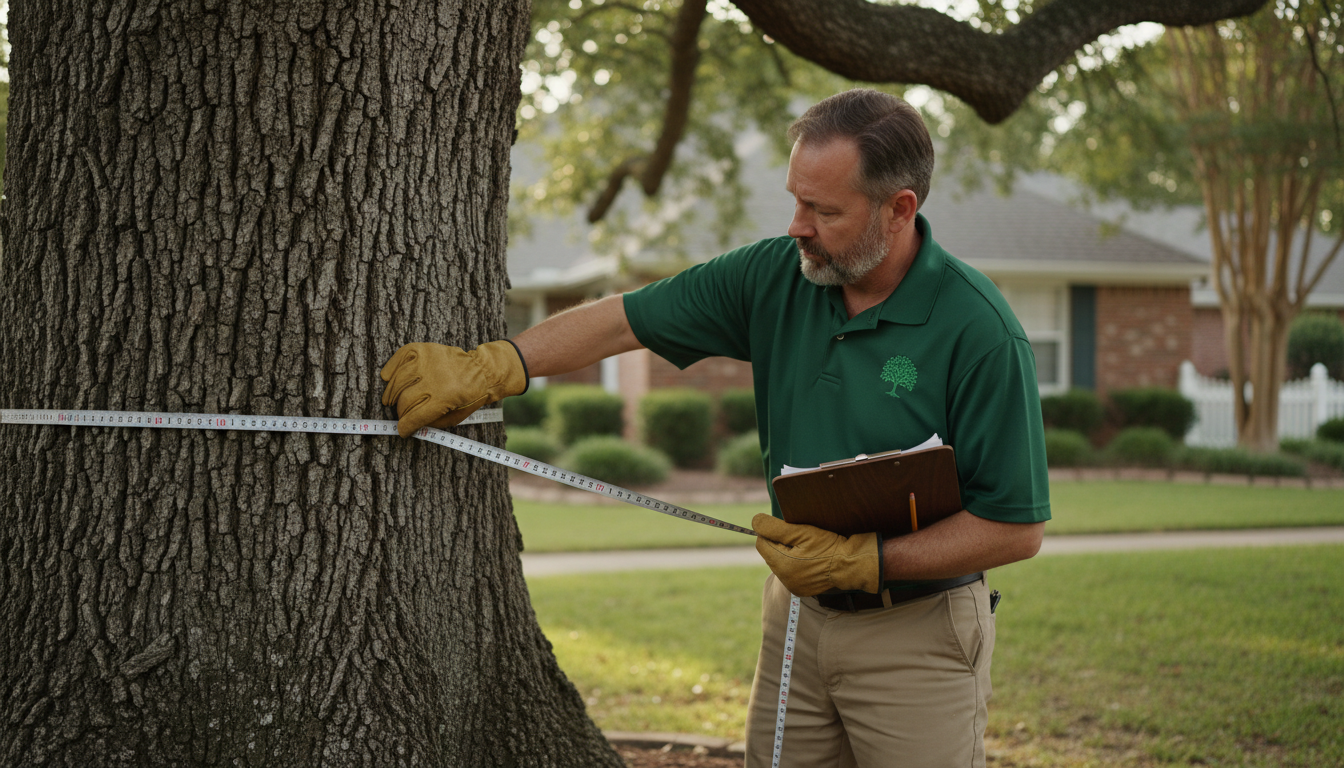
The first thing to understand is that no honest crew quotes a tree from a phone call alone. The job has too many variables that only show up when somebody is standing in your yard with a tape measure and a pair of binoculars. Below are the five inputs that, together, set the final number you see at the bottom of an estimate.
Tree Size and Wood Volume
Height grabs the attention, but the total volume of wood is what actually drives labor hours. A 60-foot pine with a slim trunk is a much faster job than a 45-foot live oak with a six-foot diameter trunk and a wide canopy. Crews think in terms of how many bucket loads of brush will go through the chipper and how many truckloads of wood will leave the property. That math, more than raw height, sets the size tier of your quote.
Access for Trucks and Equipment
If a bucket truck and a chipper can park within rope-throw of the tree, the job runs efficiently. If the tree sits behind a fence, in a backyard with a narrow gate, or up a slope where wheeled equipment cannot reach, every limb has to be climbed and carried by hand. That can add hours of labor to the same size of tree. Tight access is one of the most common reasons two quotes for visually similar trees come back hundreds of dollars apart.
Proximity to Structures and Power Lines
A tree out in an open field can sometimes be felled in a single cut. A tree five feet from your roof, leaning slightly toward a deck, with a power drop running through the canopy, cannot. It comes down in small sections, each one rigged and lowered with ropes and a friction device. That technique is safer, but it is also slower and requires more crew on the ground. Expect rates to climb steeply as the margin for error shrinks.
Tree Health and Structural Condition
A sound, living tree behaves predictably under saw and rope. A dead or hollow tree is unpredictable in the worst way. Climbers have to anchor higher, set redundant tie-in points, and assume any limb could snap mid-cut. Decayed wood also rules out certain rigging shortcuts. The result is a job that takes longer and requires more careful planning, which is reflected in the estimate.
Cleanup and Disposal Scope
The same tree can be quoted three different ways depending on what you want to do with the wood and brush. Full haul-off, where everything leaves on the truck, is the most expensive. Logs cut to firewood length and stacked on site, with brush chipped on the spot, is typically the middle option. Leaving the wood for you to handle yourself is the cheapest, but only practical if you actually have a use for several cords of wood and a chipper of your own.
Typical Price Ranges by Tree Size in 2026
Rates for tree removal vary by region, but the relative steps between size tiers are remarkably consistent across the country. Below is a realistic 2026 ballpark for the Memphis and North Mississippi market. Use these numbers as a sanity check on any quote you receive, not as a guaranteed price.
| Tree height | Typical species | Removal range | Add stump grind |
|---|---|---|---|
| Under 25 ft (small) | Bradford pear, dogwood, young magnolia | $250 to $500 | +$75 to $150 |
| 25 to 50 ft (medium) | Crepe myrtle, redbud, young oak | $500 to $1,000 | +$100 to $200 |
| 50 to 75 ft (large) | Mature maple, sweetgum, pecan | $1,000 to $1,800 | +$150 to $300 |
| 75 ft or more (very large) | Mature oak, pine, sycamore | $1,800 to $3,500 or more | +$200 to $400 |
| Hazardous or over structures | Any size near house, lines, or pool | Custom quote | Quoted with job |
Final pricing depends on access, cleanup scope, and structural proximity. Every Pyramid estimate breaks these line items out, so you see exactly what you are paying for.
Hidden Costs You Should Ask About Before Signing
One of the most common reasons a tree removal feels overpriced after the fact is that the homeowner did not realize certain line items were optional or unbundled. Before you accept any quote, run through this short list with the crew so nothing comes back as a surprise.
- Stump grinding. Almost always priced separately from removal. Most jobs end with a stump unless you specifically order grinding.
- Surface and feeder root removal. Standard stump grinding goes a few inches below grade. Going deeper, or chasing surface roots through a lawn, costs more.
- Hauling versus chipping on site. A loaded truck of hardwood logs is heavy and slow to move. If you do not want firewood, hauling is its own line item.
- Permits and HOA fees. Memphis residential lots usually do not need permits, but heritage trees and certain neighborhoods do. Confirm who pays if a permit is required.
- Travel and minimum job fees. Many crews carry a small minimum charge to cover truck and crew time on smaller jobs. This is normal, just ask about it up front.
A crew that breaks these out in writing is showing you exactly how the bill will read. A crew that lumps everything into a single round number is leaving themselves room to add charges later.
Emergency Work Changes the Pricing Math
Storm season in the Mid-South sends prices in one direction, and it is not down. A tree on a house in the middle of the night is not the same job as a planned weekday removal. Two-person crews become four. Standard daytime rates pick up after-hours premiums. Sometimes a bucket truck has to be pulled off another scheduled job to handle the call. All of that is real cost, and it shows up in the final number.
If the damage is already done, the priority is to stop it from getting worse. We run emergency tree removal services across Memphis and North Mississippi, with crews and rigging gear staged for after-hours response. A typical emergency call runs 20 to 40 percent above the equivalent planned-job rate, with the exact premium depending on time of day, the rigging plan, and how much of the property is already affected.
How to Get an Honest Quote You Can Trust
The fastest way to feel confident about what you are paying is to compare two or three written estimates from established local crews. Not phone guesses, not text-message numbers, real estimates with the work scope spelled out. As you compare, look at the following.
- Current insurance certificates. Liability and workers compensation, both in writing. Without these, any injury or property damage on the job site can land in your lap.
- Itemized scope. Removal, cleanup, stump, hauling, and any access concerns should each have a clear line item. Vague all-in numbers are how disputes start.
- Time and crew estimate. A serious crew will tell you roughly how long the job will take and how many climbers and ground hands they plan to send.
- Local reviews and references. Recent Google reviews from your zip code beat a slick out-of-town flyer every time.
- Equipment match. If the tree clearly needs a bucket truck or crane and the quoting crew owns neither, the price either does not reflect reality or the job is going to subcontract.
For deeper background on what professional standards actually look like, the International Society of Arboriculture publishes accessible industry guidance and a public arborist directory at TreesAreGood.org. Any reputable crew should be able to point to certifications, written safety procedures, and current insurance without hesitation.
If you want a baseline reading on your own tree, the simplest path is to book a free in-person estimate with a professional tree removal company and put the verbal answer next to the written one. A crew that can explain every line item on the paper is the crew you want under your tree.
Want a real number on your tree this week?
Free, no-obligation written estimates across Memphis and North Mississippi.
Frequently Asked Questions
Why do rates for tree removal vary so much between crews?
The biggest spread comes down to insurance, equipment, and crew experience. A licensed and insured outfit carries real overhead that an uninsured operator does not, and that gap is what you are seeing in the number. The middle quote from a legitimate, well-reviewed local crew is almost always the right one.
Is it cheaper to remove several trees at once?
Usually yes. Most of the fixed cost on any job is mobilizing the crew, truck, and chipper to your address. Once that is paid for, adding a second or third tree on the same visit lowers the per-tree price meaningfully. If you have several you are thinking about, mention all of them at the estimate so the crew can scope it as one combined job.
Does homeowners insurance pay for tree removal?
If a tree falls and damages a covered structure such as your house, garage, or fence, most policies will cover removal as part of the claim, including hauling. If the tree just falls in your yard without hitting anything, removal is usually paid out of pocket. Document conditions with photos and keep all itemized invoices for the adjuster.
Should I always grind the stump?
Only if you want to use the spot for something else: lawn, flower bed, deck, replanting. If the stump is in an out-of-the-way corner you do not mind looking at, leaving it is fine and saves you a couple hundred dollars. We will give you both options at the estimate so you can choose.
How long is a written estimate good for?
Most of our written estimates are valid for 30 to 60 days. Pricing can shift after that window because fuel, disposal fees, and crew rates move with the market. If you are weighing a removal, getting the estimate in writing now and scheduling within the next month is the safest way to lock in the number you were quoted.
Do you charge for the estimate itself?
No. All of our estimates are free and in-person. We come out, walk the property with you, look at access and proximity, and leave you with a written number you can compare against any other quote. There is no pressure to book on the spot.
Get a free, written estimate on your tree.
The fastest way to stop guessing about what a removal should cost is to have a licensed crew walk the property and put it in writing. Twenty minutes on site, no pressure, real numbers.