
Birds of Paradise Tree Care: The Complete Expert Growing Guide
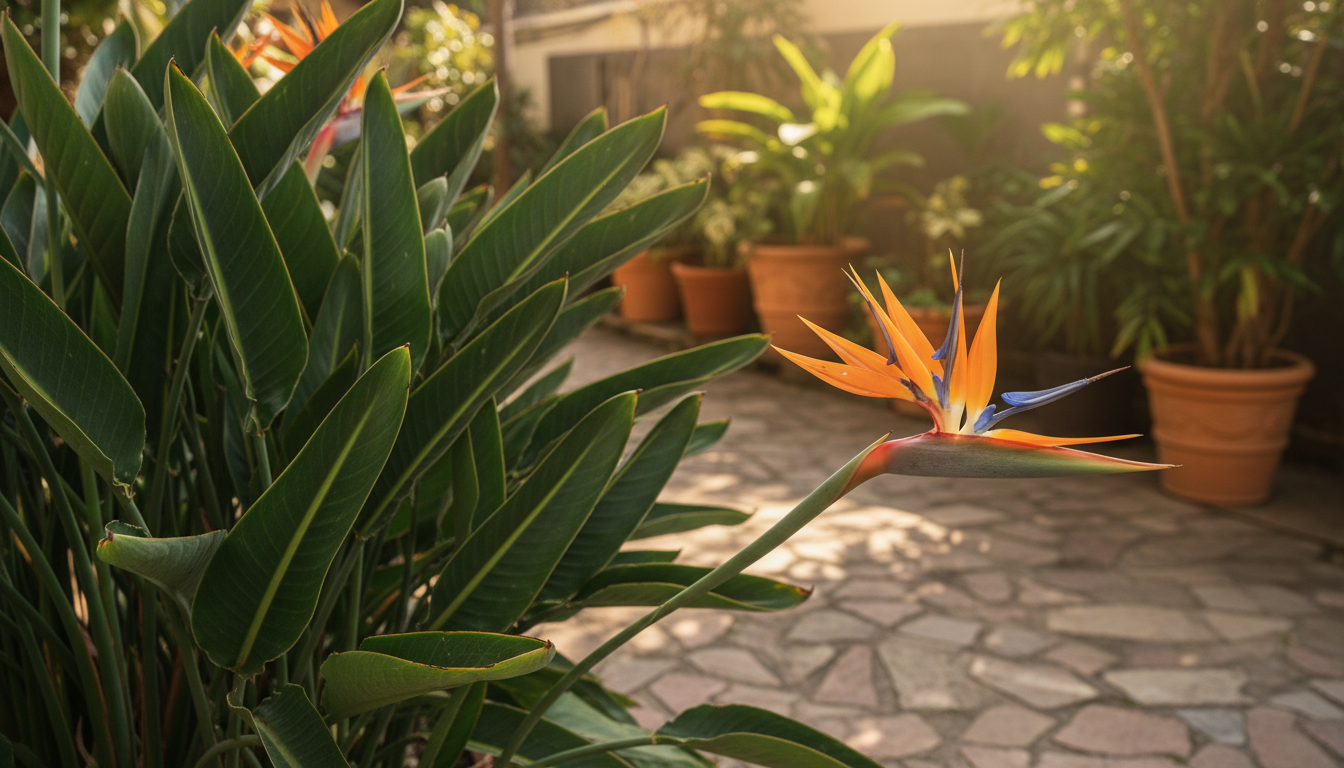
When most homeowners ask us about birds of paradise tree care, they are usually staring at a leggy plant that refuses to bloom or a giant Strelitzia in the backyard that has gotten away from them. The plant is dramatic, the leaves are huge, and once it is happy it can become the centerpiece of a yard or sunroom. The catch is that these plants reward attention to detail. Get the light, water, and soil right, and they thrive for decades. Get them wrong, and you get brown edges, no flowers, and a slow decline.
- Pick the right variety first: orange Strelitzia reginae stays small; white Strelitzia nicolai grows tree-sized.
- Six hours of direct sun a day is the floor for flowering. Anything less and the plant just sits there.
- Water deeply, then let the top inch of soil dry out. These roots hate staying wet.
- Prune dead leaves and spent flower stalks at the base. Routine cleanup keeps the plant healthy and good-looking.
- For tall S. nicolai specimens, treat them like a small tree: structural pruning and storm prep matter.
Why Birds of Paradise Tree Care Starts With Your Variety
There are two plants commonly sold under the bird of paradise name, and they have very different needs. Knowing which one you have is the first decision in your care plan, because the watering schedule, sun exposure, and pruning approach all scale with the plant.
Strelitzia reginae is the classic orange-flowered species. It tops out around five to six feet and is what most people grow as a patio or living-room plant. The flower is the iconic orange-and-blue bloom that gave the family its common name.
Strelitzia nicolai, sometimes called the white or giant bird of paradise, can grow into a true tree-sized specimen, twenty to thirty feet tall in the right climate, with banana-like leaves and white-and-blue flowers. The “tree” half of the name fits this species best. If yours is a giant bird of paradise, treat it like a small tree: it needs structural pruning, an outdoor or atrium-sized space, and protection from cold below 28°F.
A third group, the Mexican bird of paradise (Caesalpinia gilliesii) and red bird of paradise (Caesalpinia pulcherrima), is botanically unrelated and grows as a desert shrub or small flowering tree. We see fewer of those in the Mid-South, but if that is what you have, the watering and pruning rules below still mostly apply.
Light, Water, and Soil: The Foundation
Light
Birds of paradise are sun-lovers. Six hours of bright direct light per day is the minimum if you want flowers. Indoors, that means south or west-facing windows with no curtains in the way. In the landscape, plant them on the south or west side of the house with no afternoon shade. A plant in low light will live, but it will sulk and refuse to bloom for years on end.
Water
The roots want to dry partway between waterings. We tell clients: if the top inch or two of soil is dry to the touch, water deeply until it runs out the bottom of the pot or saturates the root zone outdoors. In Memphis summer heat, that is usually once a week. In winter, every two or three weeks. Soggy soil is the fastest way to kill these plants. They are tougher under brief drought than under root rot.
Soil and Feeding
A loose, well-draining mix is non-negotiable. For potted plants, a quality indoor mix cut with about a third perlite or pumice works well. In the ground, amend heavy clay with compost and coarse sand to break it up. From spring through early fall, a balanced 10-10-10 fertilizer every four to six weeks keeps the plant pushing new leaves and setting flower spikes. Stop feeding in late October so the plant can ease into dormancy.
If you are not sure whether your zone is warm enough to grow these plants outdoors year-round, the USDA Plant Hardiness Zone Map is the standard reference. Memphis sits in zone 7b, which is borderline for S. reginae outdoors and a little too cold for S. nicolai without serious winter protection.
Pruning and Shaping a Healthy Plant
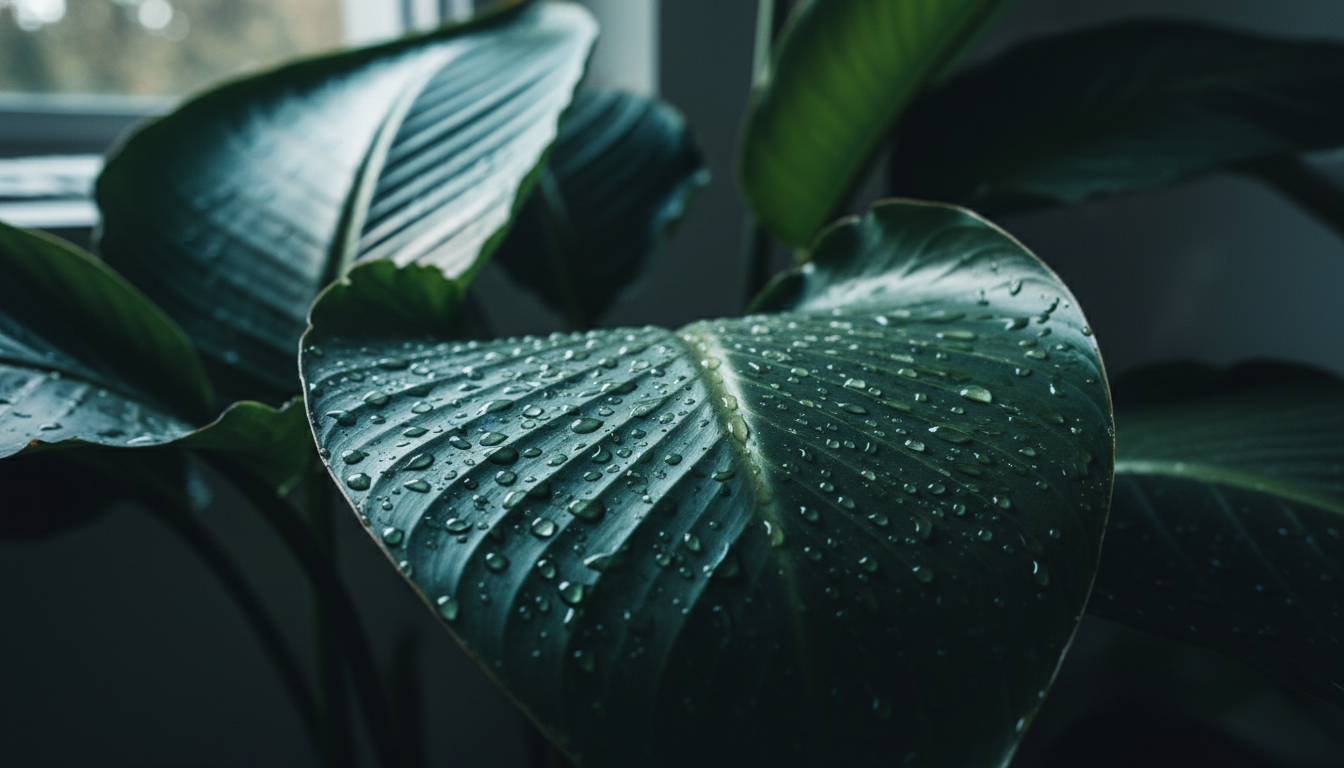
This is where bird of paradise care most often goes sideways. Homeowners are afraid to cut these plants, so old leaves linger, dead flower stalks pile up, and the specimen gets overgrown and lopsided. Routine pruning is your friend.
Remove dead or damaged leaves anytime. Cut at the base of the stem, flush with the soil or the main trunk, with sharp bypass pruners. The big leaves can be 4 to 6 feet long; for a mature S. nicolai stalk you will want a pruning saw rather than hand pruners.
Cut spent flower stalks after the bloom finishes. The plant will not push new flowers from an old stalk, and the dying tissue invites fungal problems. Trim the stalk back to the base, not partway down.
Thin clumps every few years. Mature birds of paradise form clumps from underground rhizomes. If yours is getting crowded or producing fewer flowers, divide it in spring. Each division needs three or four leaves and a healthy chunk of root attached.
For tree-sized S. nicolai specimens, the same logic scales up. You are essentially limbing up a multi-trunk small tree: remove old leaf bases off the stalks, take out crossing or damaged stems, and leave a clean, balanced structure. If you are not comfortable working twenty feet up with a saw, our crew handles those jobs through our professional tree trimming services. We use the same rope and rigging techniques we apply to any other large landscape tree.
Common Problems and How to Spot Them
| Symptom | Likely Cause | Fix | Severity |
|---|---|---|---|
| Brown leaf edges | Low humidity, underwatering, or salt buildup in pot | Move away from heat vents, run a humidifier, flush soil quarterly | Cosmetic |
| Yellowing lower leaves | Natural turnover or overwatering | Check soil moisture before watering and adjust schedule | Mild |
| No flowers (mature plant) | Insufficient light or pot too large | Move to brightest window; let roots fill the container before repotting | Common |
| Sticky residue on leaves | Scale or mealybug infestation | Wipe leaves, treat with insecticidal soap weekly until clear | Treatable |
| Burned, crispy leaves after a freeze | Cold damage at or below 28°F | Cut back to the base, mulch heavily, wait for spring regrowth | Serious |
| Tall stalk leaning after a storm | Root failure or structural damage | Get a professional evaluation before the next weather event | Urgent |
Most of these issues are recoverable when you catch them early. The two that put a plant on borrowed time are root rot from chronic overwatering, and structural damage to a tall S. nicolai stalk after high winds. If a giant bird of paradise is leaning hard or the soil at its base is lifting, do not wait for the next round of weather to deal with it.
When to Bring in a Professional for Birds of Paradise Tree Care
Smaller potted plants are absolutely a homeowner job. But once a giant bird of paradise gets up over fifteen feet, with multiple thick stalks and old leaf bases that need cleaning out at height, the same risks apply as with any large landscape tree: ladder work, falling weight, and proximity to roofs, fences, or power lines. A 25-foot leaf with a sharp tip swinging on the way down is no joke.
Our crew handles structural pruning, full removal, stalk cleanup, and post-storm rehab on tree-sized Strelitzia. We also get calls after a hard freeze when a homeowner is not sure whether the plant is dead or just sleeping. Usually it is the latter. Cut the burned foliage to the base, water lightly, and wait until late spring. Most of the time you will see new shoots emerging from the rhizome by May. If you would like the plant evaluated alongside the rest of your trees, that fits naturally into our comprehensive tree care services.
Tall bird of paradise getting away from you?
Free, no-obligation estimates across Memphis and North Mississippi.
Frequently Asked Questions
How often should I water my bird of paradise in the summer?
Outdoors in Memphis summer heat, about once a week is typical. Indoors with normal AC running, every 7 to 10 days. Always check the top inch of soil first. Wet down to the second knuckle means wait. Dry means water deeply until it drains out the bottom of the pot.
Why has my mature plant never flowered?
The most common reasons are too little direct sun, the plant is younger than four years from seed, or it has been repotted too often into a bigger container. These plants flower best when the roots have completely filled the pot. Move it to your sunniest window, hold off on repotting for a year or two, and feed regularly through the growing season.
Can a bird of paradise survive a Memphis winter outdoors?
S. reginae will struggle without protection here. Foliage burns at temperatures in the upper 20s, and a hard freeze can damage the crown. Plant in a warm microclimate against a south-facing wall, mulch heavily, and cover during cold snaps, or grow it in a pot you can move inside. S. nicolai is even less cold-hardy and is best grown in a heated sunroom in our zone.
My giant bird of paradise is leaning. Is it dangerous?
It can be. Tall S. nicolai stalks are top-heavy by nature, and a new lean often points to root issues, soft soil, or wind damage. If you can see soil cracking or lifting at the base, the plant is on borrowed time. Have it evaluated before the next round of weather rolls through.
Should I cut off the old flower stalks?
Yes. Once the bloom finishes and starts to brown, cut the entire stalk back to the base with sharp, clean pruners. The plant will not push new flowers from an old stalk, and leaving dead tissue invites fungal issues.
Do you remove tree-sized birds of paradise?
Absolutely. We handle tall S. nicolai removals, structural pruning, and storm cleanup as part of our regular tree work. The techniques are the same as for any other large landscape tree, with rigging and controlled lowering near structures.
When in doubt, get a free estimate.
Whether your bird of paradise is a four-foot houseplant or a twenty-five-foot landscape specimen, smart pruning and the right environment go a long way. If yours has outgrown your ability to maintain it safely, give us a call.